
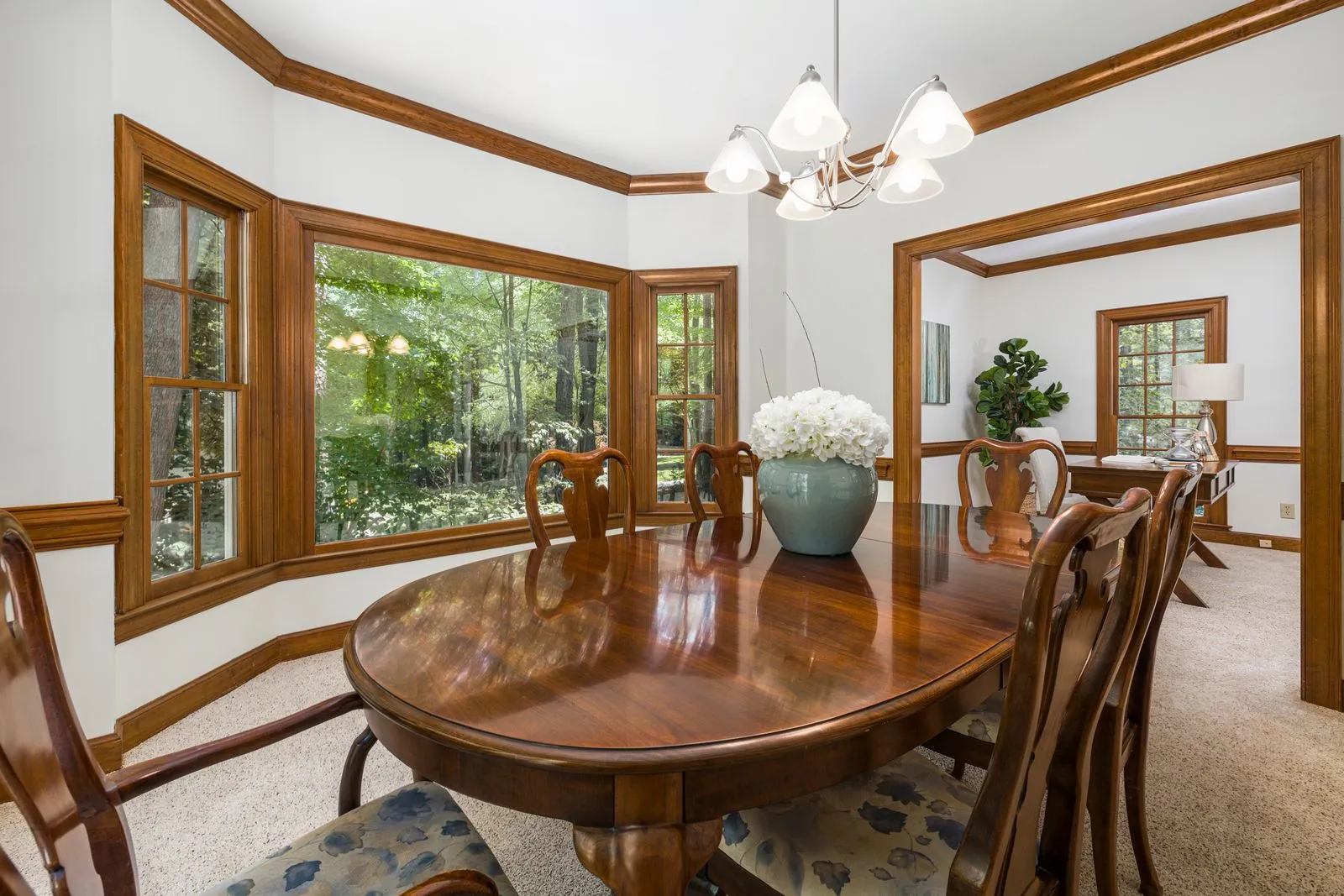
Good lighting does more than brighten a room. It helps you see clearly, supports everyday activities, and shapes how a space feels from morning to evening. A useful plan combines three layers: ambient light for general visibility, task light for focused work, and accent light to draw attention to details. You do not need to replace every fixture to improve a room. Start by noticing where light is missing, then add layers that suit how you use the space.
Start With Ambient Light
Ambient lighting provides the room’s overall illumination. It may come from ceiling fixtures, recessed lights, wall lights, or daylight through windows. Aim for even coverage rather than a single bright spot; a lone overhead fixture can leave corners dim and create harsh shadows. In a larger room, several sources spread around the space often feel more comfortable than one powerful light.
Choose a level of brightness that matches the room’s purpose and the time of day. Dimmers make overhead lights more flexible, especially in living rooms and dining areas. If you are selecting bulbs, check that their brightness and color appearance suit the fixture and the atmosphere you want. Keep shades and bulbs clean, and make sure curtains or furniture do not block useful light.
Add Light for Specific Tasks
Task lighting puts light where you need it for activities such as reading, cooking, grooming, or working. A desk lamp should illuminate the work surface without reflecting into your eyes or screen. In a kitchen, under-cabinet lights can brighten counters that ceiling fixtures leave in shadow. Beside a chair or bed, an adjustable reading lamp lets you direct light onto a book rather than across the whole room.
Position task lights to reduce shadows. If you write with your right hand, place the light on your left when possible; reverse that setup for a left-handed user. For detailed work, use a lamp with an adjustable head and a stable base. In shared spaces, choose task lights that can be switched independently so one person can work or read without lighting the entire room.
Use Accent Light With Intention
Accent lighting adds emphasis to features such as artwork, shelving, plants, or architectural details. Picture lights, small directional lamps, and lights inside display cabinets can create visual interest and make a room feel more considered. Aim accent light at the object or surface you want to highlight, and avoid placing a bare bulb where it can cause glare.
Keep the effect balanced. If every object is highlighted, the room can feel visually busy; choose a few focal points instead. Accent lighting works best alongside ambient light, not as its replacement. A table lamp on a console, for example, can add a warm pool of light while drawing attention to a framed print nearby.
Make the Layers Work Together
Plan lighting around the way you move through and use the room. In a living room, combine general ceiling light with a reading lamp and a softer source near a favorite feature. In a bedroom, pair comfortable ambient light with bedside task lamps and a subtle accent source. Separate switches or smart controls help you turn on only the layers you need.
Before buying new fixtures, test your existing setup at different times of day. Note dark corners, glare on screens, and areas where tasks feel difficult. Then make one change at a time, such as moving a lamp, adding a dimmer, or improving counter lighting. Check that cords do not create trip hazards and that fixtures are suitable for their location, especially near water or heat.
Layered lighting makes a home easier to use and more comfortable without relying on one bright overhead fixture. Begin with the activities in each room, then combine general, focused, and accent light where it will help most. A few thoughtful adjustments can make a noticeable difference; Oxford Home Edit can help you consider lighting alongside the rest of your home.